
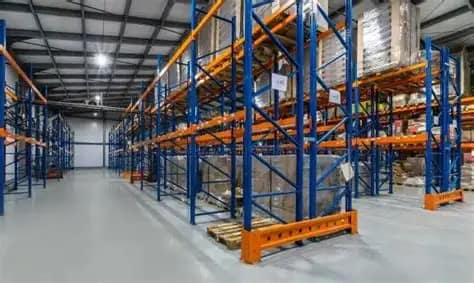
Modern warehouses rely on efficient storage systems to handle increasing inventory demands. The role of warehouse racking suppliers has become critical in designing structured, safe, and scalable storage environments. Whether you operate a logistics hub, manufacturing unit, or retail distribution center, choosing the right supplier directly impacts productivity and space utilization.
This guide explains how warehouse racking suppliers work, what systems they offer, and how to select the best partner for long-term operational success.
Understanding Warehouse Racking Suppliers
Warehouse racking suppliers are specialized companies that design, manufacture, and install storage systems used in industrial warehouses. Their main goal is to maximize storage capacity while maintaining safety and accessibility.
A professional supplier does more than sell racks. They provide complete solutions including warehouse layout planning, structural engineering, installation, and after-sales maintenance.
Why Warehouse Racking Systems Are Essential
Efficient warehouse racking systems are the backbone of modern supply chains. They allow businesses to store more goods in less space while improving workflow efficiency.
Key advantages include better inventory organization, faster picking and dispatch operations, reduced product damage, and improved safety standards in warehouse environments.
Types of Systems Offered by Warehouse Racking Suppliers
Selective Pallet Racking
This is the most widely used system, offering direct access to every pallet. It is flexible and suitable for most warehouse operations.
Drive-In and Drive-Through Racking
Designed for high-density storage, this system reduces aisle space and increases storage capacity.
Cantilever Racking
Ideal for long or oversized items such as pipes, timber, and steel materials commonly used in construction and manufacturing.
Mezzanine Flooring Systems
These systems create additional storage levels within the warehouse, effectively doubling usable space without expanding the building footprint.
How to Choose Reliable Warehouse Racking Suppliers
Selecting the right supplier requires careful evaluation of several important factors.
Start by reviewing their industry experience and completed projects. Experienced warehouse racking suppliers are more likely to understand complex storage requirements.
Check the quality of materials used, especially steel grade and load-bearing capacity. Poor quality materials can lead to safety risks and operational losses.
Customization capability is also important. Every warehouse has a unique layout, so suppliers should offer tailored designs rather than one-size-fits-all solutions.
Finally, ensure they follow international safety standards and provide proper installation services.
Benefits of Working with Professional Suppliers
Working with experienced warehouse racking suppliers provides long-term operational benefits.
It improves space utilization by using vertical storage efficiently. It enhances warehouse safety by ensuring proper structural design. It reduces operational costs by improving workflow efficiency. It also allows scalability as business storage needs grow over time.
Installation and Support Services
Leading warehouse racking suppliers provide complete service packages including warehouse inspection, system design, structural engineering, professional installation, and maintenance support.
Proper installation is crucial because even high-quality racking systems can fail if not installed correctly. Regular maintenance ensures long-term safety and performance.
Common Mistakes to Avoid
Many businesses make mistakes when selecting suppliers. One common error is choosing based only on price instead of quality and durability.
Another mistake is ignoring future expansion needs, which can lead to costly redesigns later. Businesses also often underestimate load capacity requirements, which can compromise safety.
Industry Applications of Warehouse Racking Systems
E-commerce warehouses require fast and flexible storage for high-volume orders. Manufacturing industries need heavy-duty racking for raw materials and equipment storage. Retail distribution centers rely on efficient pallet systems for rapid product movement. Cold storage facilities require specialized racking designed for low-temperature environments.
Cost Factors to Consider
The cost of warehouse racking systems depends on several factors including warehouse size, system type, material quality, installation complexity, and customization level.
While high-quality systems may require higher initial investment, they provide better durability and long-term cost savings.
Final Thoughts
Choosing the right warehouse racking suppliers is a strategic decision that affects every aspect of warehouse performance. From safety to efficiency and scalability, the right partner ensures your storage system is built for long-term success. Investing in a reliable supplier today helps businesses stay competitive in an increasingly demanding logistics environment.
FAQs
What do warehouse racking suppliers provide?
They provide design, manufacturing, installation, and maintenance of industrial storage systems for warehouses.
Which racking system is most commonly used?
Selective pallet racking is the most widely used due to its flexibility and easy access.
Are warehouse racking systems customizable?
Yes, most professional suppliers offer fully customized solutions based on warehouse layout and needs.
How long do warehouse racking systems last?
With proper installation and maintenance, they can last many years, often over a decade.
What affects warehouse racking cost?
Costs depend on size, system type, materials, installation complexity, and customization requirements.